FIJIANFijian HistoryHISTORY
  • Privacy Policy
  • About Us
  • ‹
  • 1
  • 2
  • 3
  • 4
  • 5
  • ›
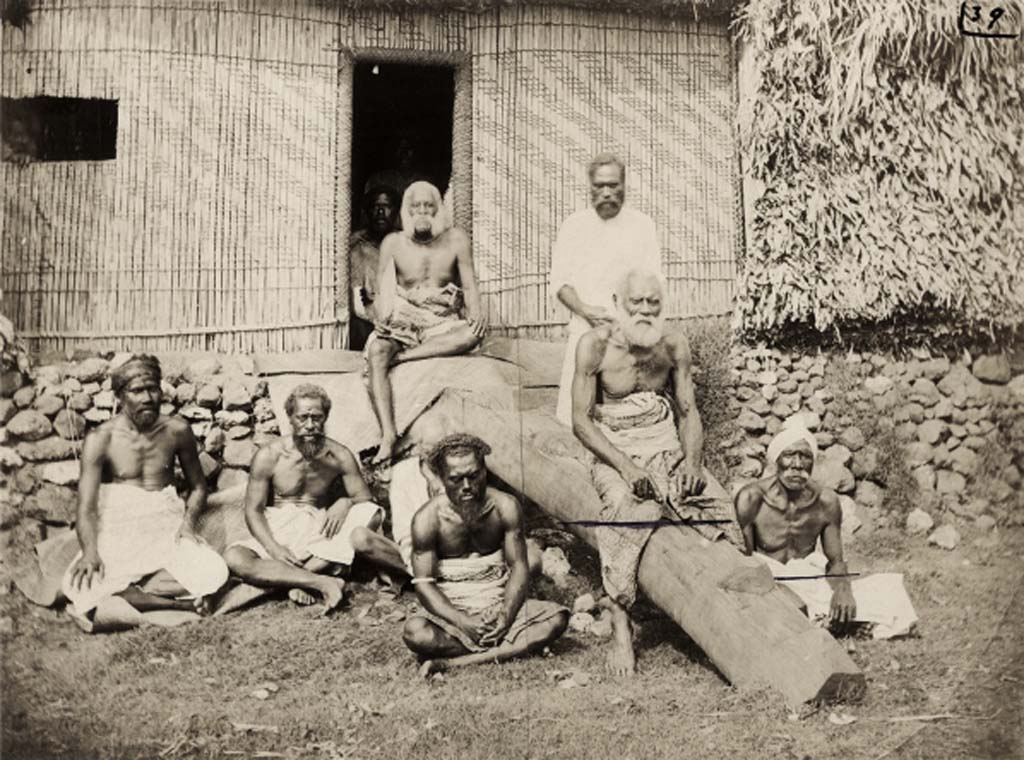
“Great Council of Chiefs, Waikava”. Senior members of the Great Council of Chiefs with Cakobau seated at the top of the ramp above his brother Ratu Josefa Celua. The chief to his left, wearing a white masi turban is likely Musudroka, the Vunivalu of Rewa. Waikava, Vanua Levu, Fiji. Possibly photographed by F. Dufty, December 1876. P.99842.VH Source: http://maa.cam.ac.uk/photo-great-council-of-chiefs-p-99842-vh/
Great Council of Chiefs

The Bose Levu Vakaturaga was a formal gathering of Fiji's indigenous (iTaukei) chiefs. It was established by the British Colonial Government in 1875 as an advisory body and named the Council of Chiefs (the term “Great” was added sometime later in the twentieth century). The complex at Draiba was completed in 2009 for Council meetings but was destroyed by fire ten years later. The North and South wings of the complex house the Ministry of iTaukei Affairs, Ministry of Lands and Ministry of Foreign Affairs. 

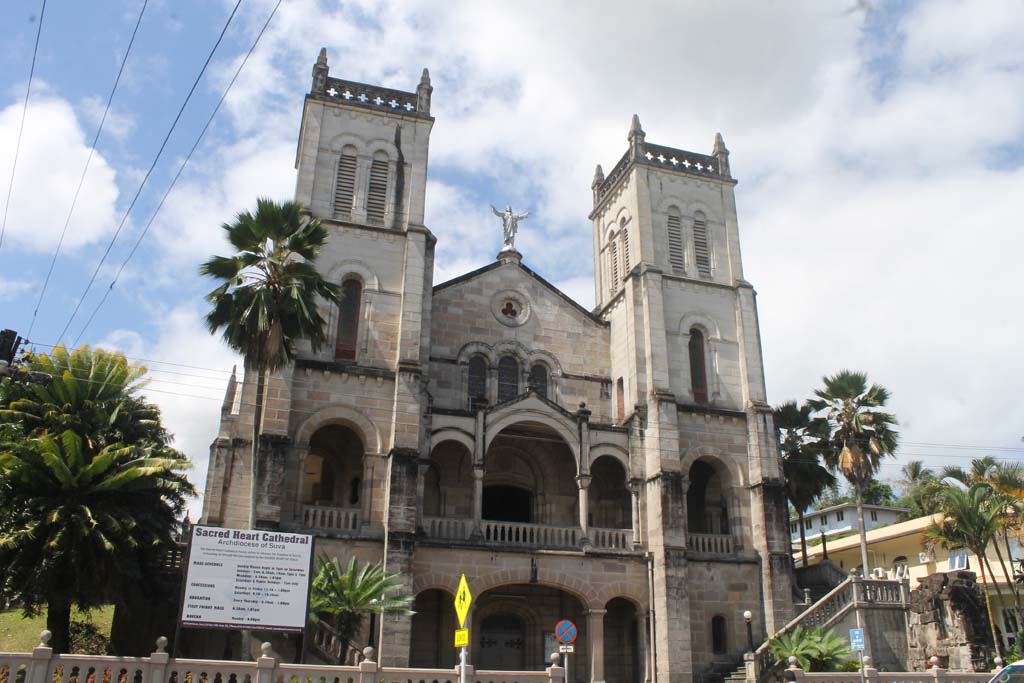
“Sacred Heart Cathedral, Pratt Street, building began 1894, completed in 1939” Source Nicholas Halter 2018
Architecture

Architecture in Suva is reflective of the many different influences over time. These include the indigenous itaukei people who first occupied the land, other Pacific Islander, Asian and Indian migrants who settled since the late 1800s, and government officials and traders who built large colonial dwellings in and around the town centre.

“The University opened its doors for classes on 5 February 1968” Source: 2018. Treasures of the Past – The Humble Beginnings of USP, https://www.usp.ac.fj/news/story.php?id=2826
The University of the South Pacific (Laucala Campus)

The University of the South Pacific was the first of its kind in the Pacific Islands when it was established in 1968. Laucala Campus was once a New Zealand Air Force base until the land and buildings were converted into USP's first campus. Since then the university has expanded to 12 member countries of which Laucala Campus is the largest campus in the region. 

"Laucala Bay Secondary School Classroom". Source Shivani, 1991, LAUCALAN magazine
Laucala Bay Secondary School

Laucala Bay Secondary began as a demonstration school for University of the South Pacific teacher trainees in 1972. Many Suva students will remember it as the site of the N.Z.U.E. Examinations. The school motto was “In Omnia Paratus” meaning “Be prepared for all things”. LBSS was closed in 2015.

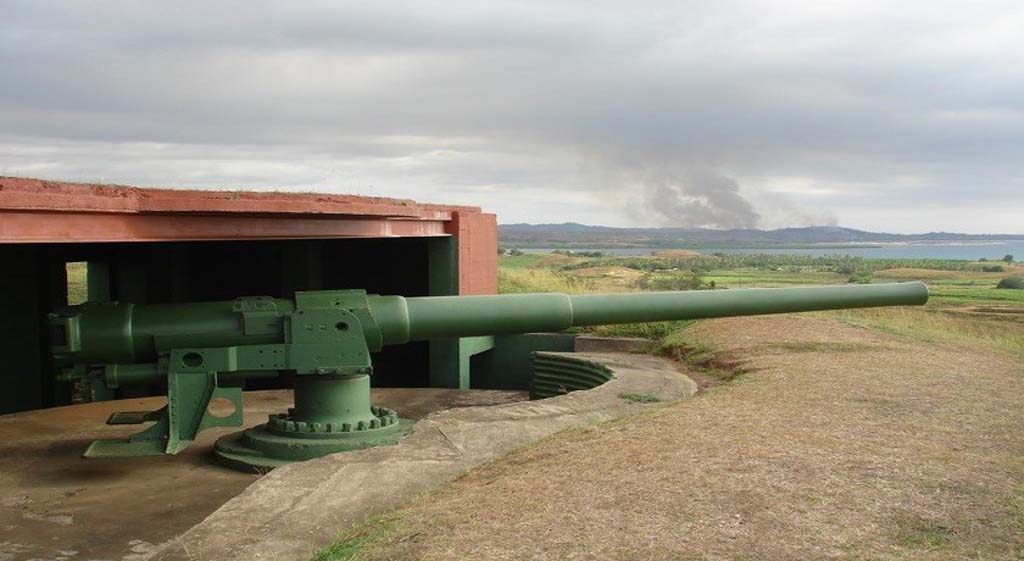
Remnants of the Veiuto Battery in 2012 (taken from Nebraska Anthropologist and researcher Allison Young).
Veiuto Gun Battery

The gun battery now nestled within the Veiuto Parliament House compound was constructed in 1939-40 to protect the capital’s coast. Today the battery has deteriorated somewhat, existing in less-than-ideal conditions. Its guns have been taken away and a phone tower has been mounted within a part of its remains.

“Swimming Baths Suva, About 1930” Source: Fiji Musuem P32.4/17
Suva Olympic Pool

The Suva Olympic Pool is the oldest colonial pool in Fiji. Built in 1925 it was originally called the Suva Sea Baths. It has since hosted countless swimming competitions, including the first Pacific Games.

“Early Suva: Fijian market, Basil Thomson collection c1892” Source: Fiji Museum 1/2/6.13E/23
Suva Municipal Market

The market has been a vibrant meeting place for Suva residents and visitors to buy fresh fruit and vegetables, meat, fish, yaqona and traditional wares. The original Suva market was located near Pier Street, next to the Queen’s Wharf. It was moved to Cumming Street in the early 1900s until a new market was constructed at the present location between Harris Road and Rodwell Road in 1949.
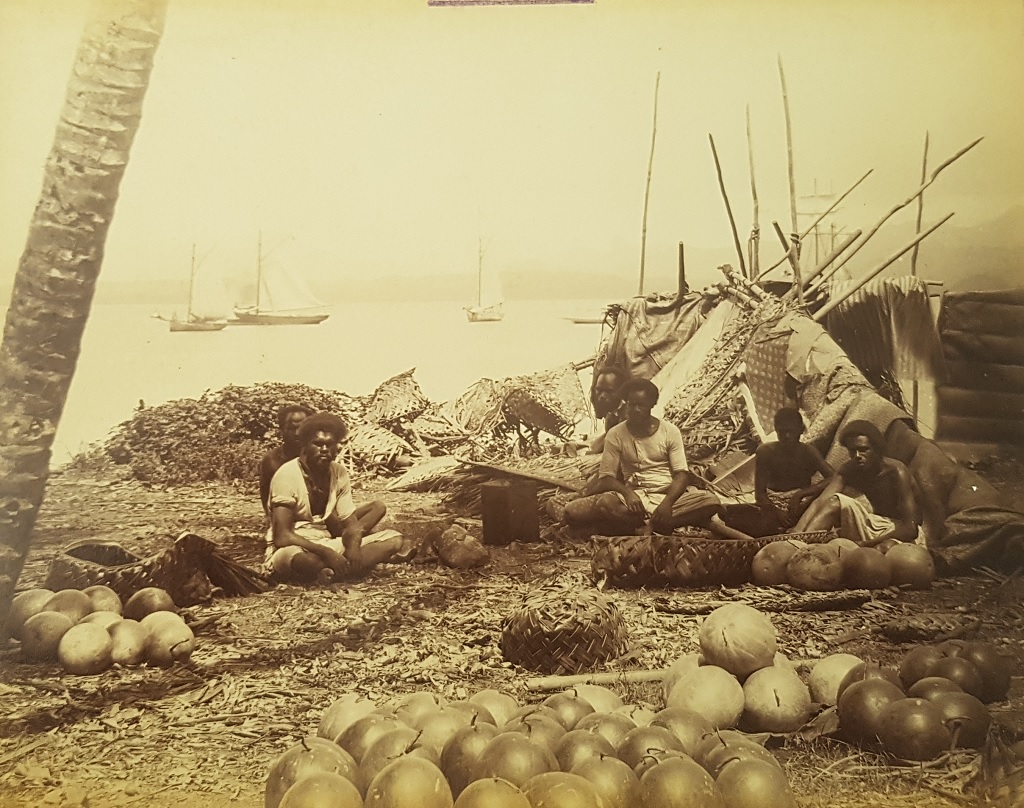
“King’s Wharf Suva 1929” Source: Fiji Museum P32.7/10
King's Wharf

King’s wharf was constructed on reclaimed land during WWI to replace the smaller Queen’s wharf at Pier Street.

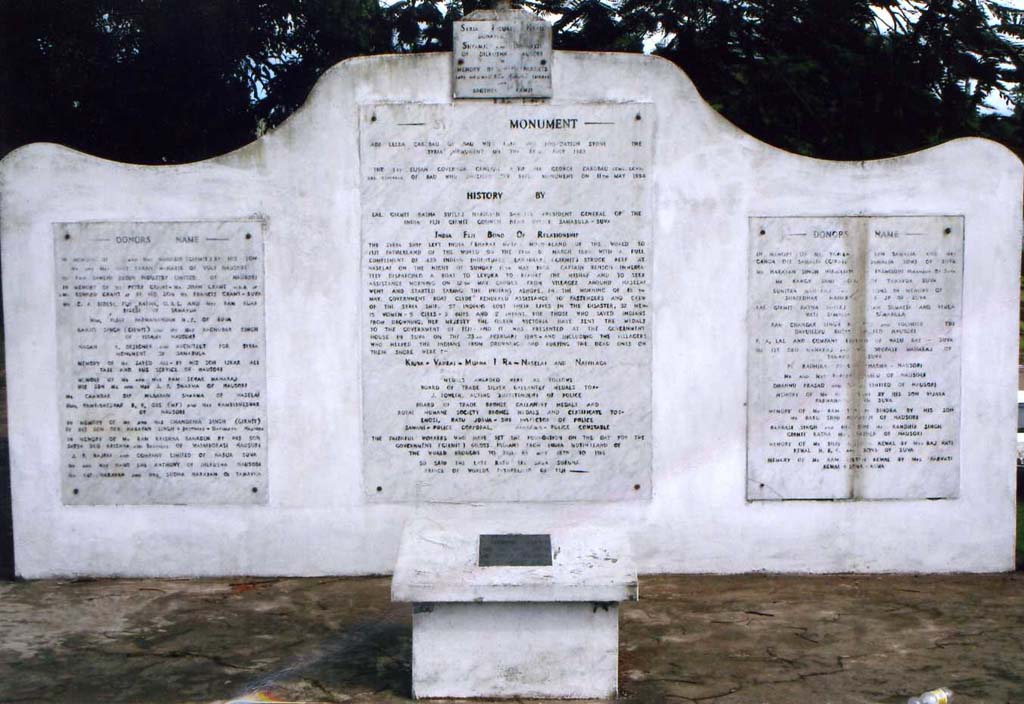
“Wreck of the Syria Memorial, Nausori” Source: Nicholas Halter 2012
Wreck of the Syria Memorial, Nausori

The monument at Nausori was built in memory of people who died aboard the Indian immigrant ship Syria when it was wrecked on Nasilai reef in 1884. It was one of the worst maritime disasters in Fiji history - 59 people died in the tragedy.

  • ‹
  • 1
  • 2
  • 3
  • 4
  • 5
  • ›
Attribution-NonCommercial

Website content is licensed under a Creative Commons Attribution 4.0 International License. All material used on this site retains the original Creative Commons Licences and can only be re-used under their respective licences. Note that corporate logos (such as the Fijian History logo) and images used in some collections and branding are specifically excluded from the Creative Commons Attribution Licence, and may not be reproduced under any circumstances without the express written permission of the copyright holders.

Fijian History © 2018 - The University of the South Pacific
About

This project was a collaborative effort by staff and students of The University of the South Pacific to document some of the historic sites of Fiji.

Download App

Download the app from Google Play Store and browse fijian stories even when offline

Get the app on Google Play
Contact
  • Email us