FIJIANFijian HistoryHISTORY
  • Privacy Policy
  • About Us
  • ‹
  • 1
  • 2
  • 3
  • 4
  • 5
  • ›
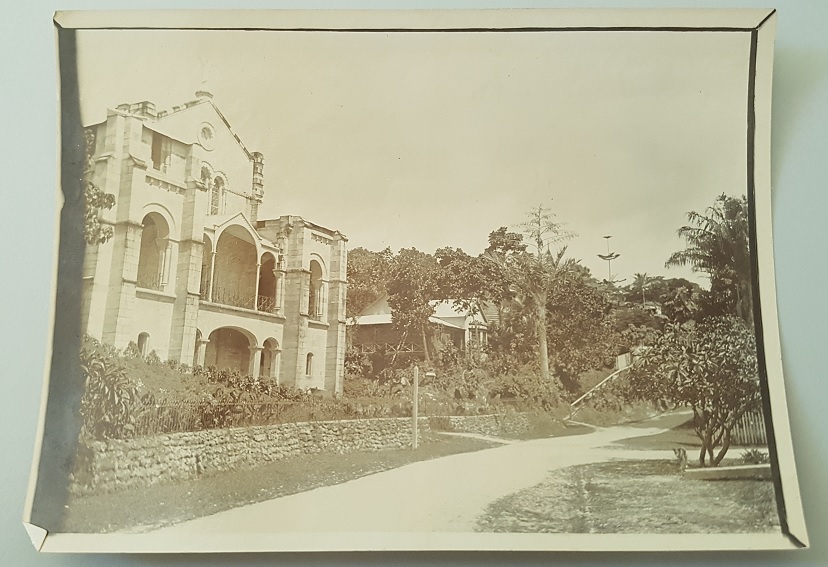
“Boys Grammar School postcard”, Co-operative (W.J.B. Stinsone), c.1930s? Source: http://www.justpacific.com/fiji/fijiphotos/grammar/bgs3.jpg
Suva Grammar School

The original Suva Grammar School was built in 1917 on Victoria Parade specifically for European boys. Girls were educated at another building on Selbourne Street a year later. Suva Grammar School is a co-ed school currently located at Nasese.

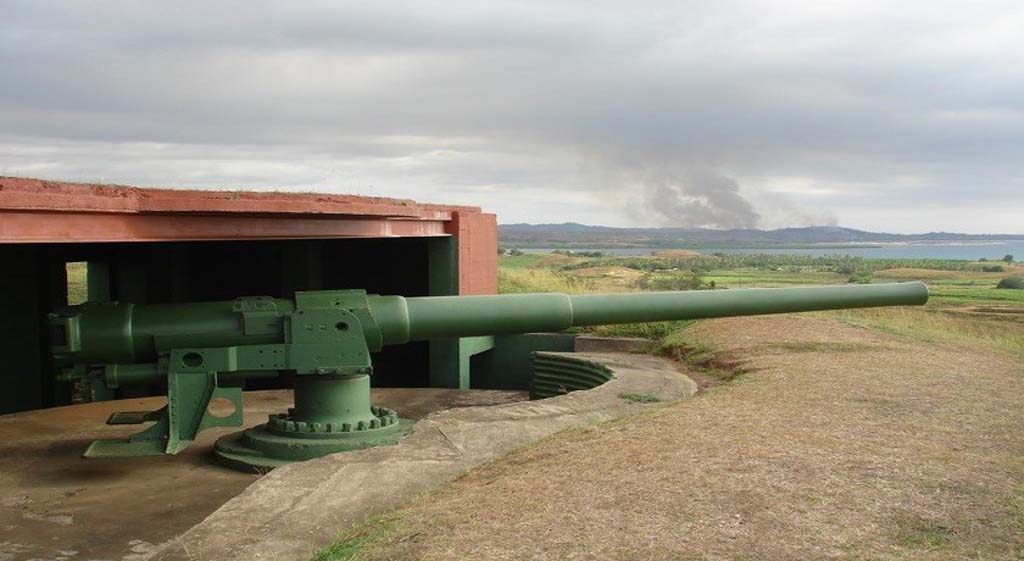
“6-inch naval gun and bunker” Source: https://www.tripadvisor.com/Attraction_Review-g612490-d3240252-Reviews-Momi_Bay_Battery_Historic_Park-Denarau_Island_Viti_Levu.html?m=19905
Momi Bay Battery Historical Park

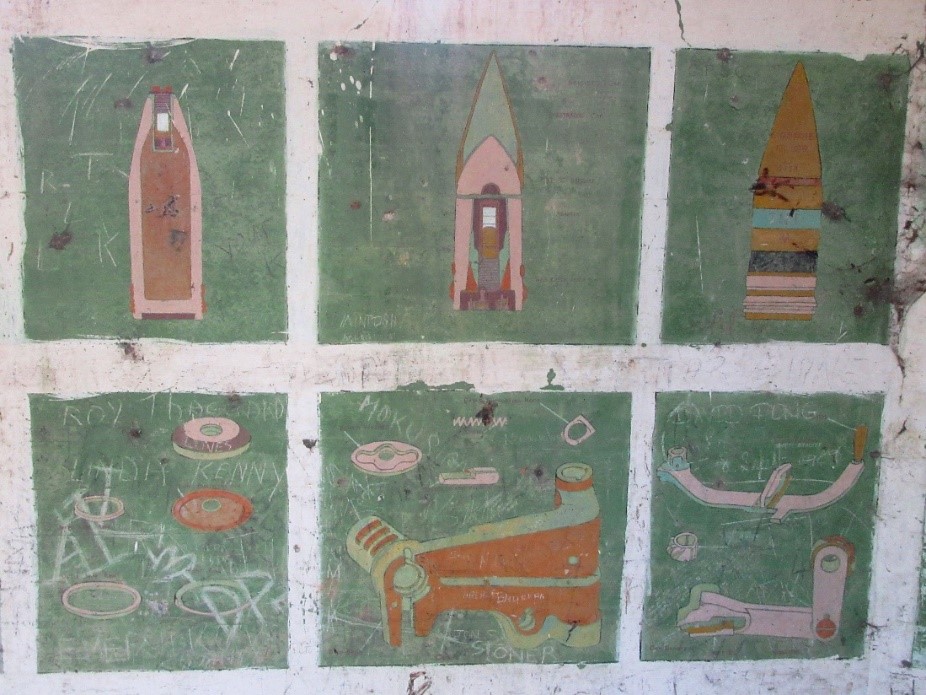
Momi Bay Historical Park contains several gun emplacements which were used during World War II to defend against possible attacks to the mainland of Viti Levu.

“Sacred Heart Cathedral, Pratt Street, building began 1894, completed in 1939” Source Nicholas Halter 2018
Architecture

Architecture in Suva is reflective of the many different influences over time. These include the indigenous itaukei people who first occupied the land, other Pacific Islander, Asian and Indian migrants who settled since the late 1800s, and government officials and traders who built large colonial dwellings in and around the town centre.

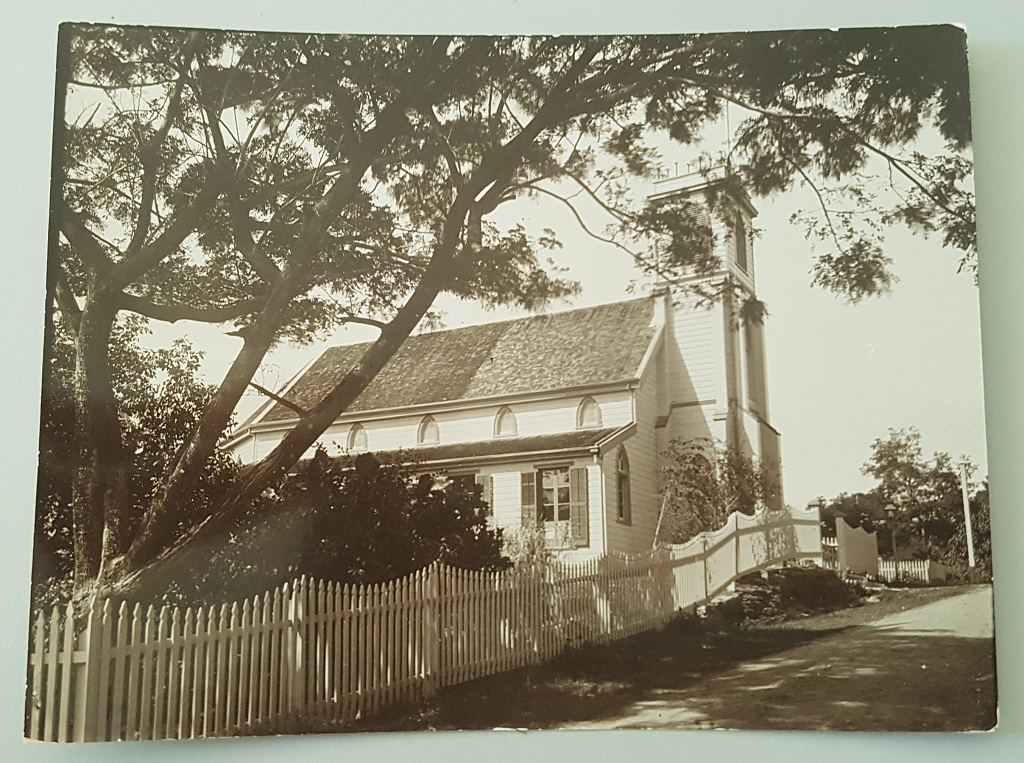
“Saint Francis Xavier Church”, 2016, Source: Google maps
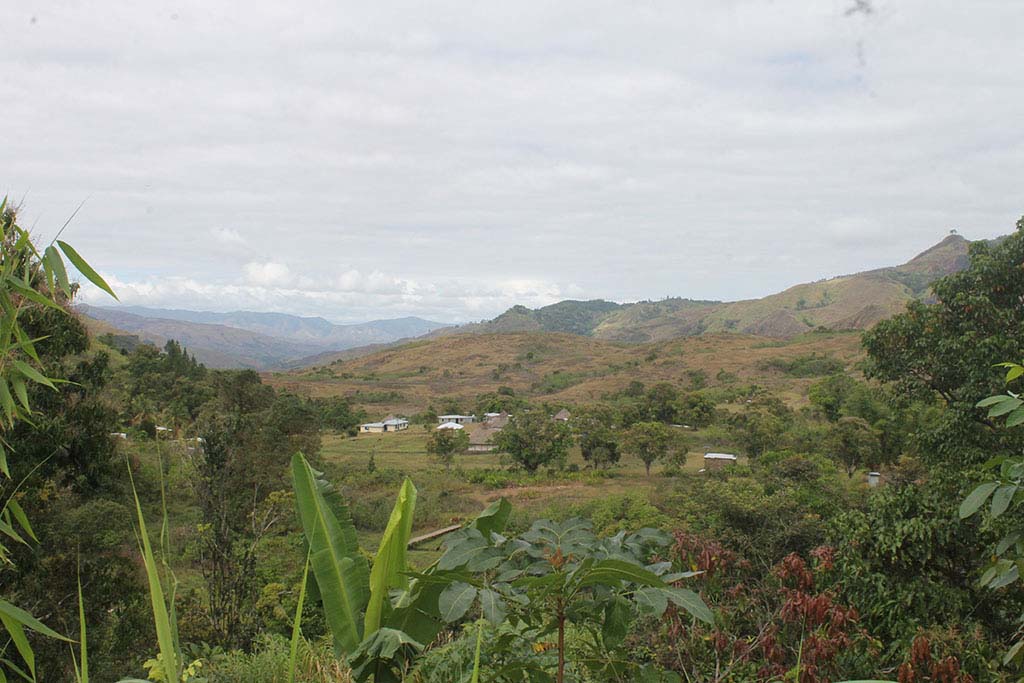
St Francis Xavier Church, Ra

The Church of St Francis Xavier is a popular tourist attraction for its mural of a black Christ which blends Christian motifs with elements of Fijian tradition and culture.

Remnants of the Veiuto Battery in 2012 (taken from Nebraska Anthropologist and researcher Allison Young).
Veiuto Gun Battery

The gun battery now nestled within the Veiuto Parliament House compound was constructed in 1939-40 to protect the capital’s coast. Today the battery has deteriorated somewhat, existing in less-than-ideal conditions. Its guns have been taken away and a phone tower has been mounted within a part of its remains.

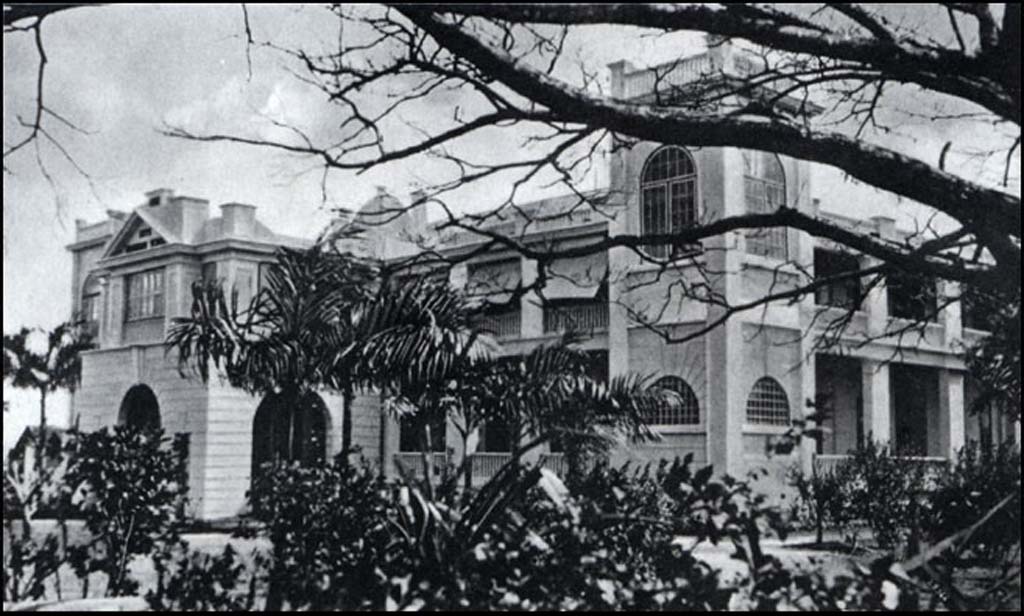
“Borron House overlooking the Waimanu Road area, around 1942” Source: Time Connections: A Quarterly Newsletter from the Friends of the Fiji Museum, 1996
Borron House

Borron House was once the home of a wealthy colonial planter family and is now used as a state guesthouse by the Government of Fiji to accommodate VIP guests.

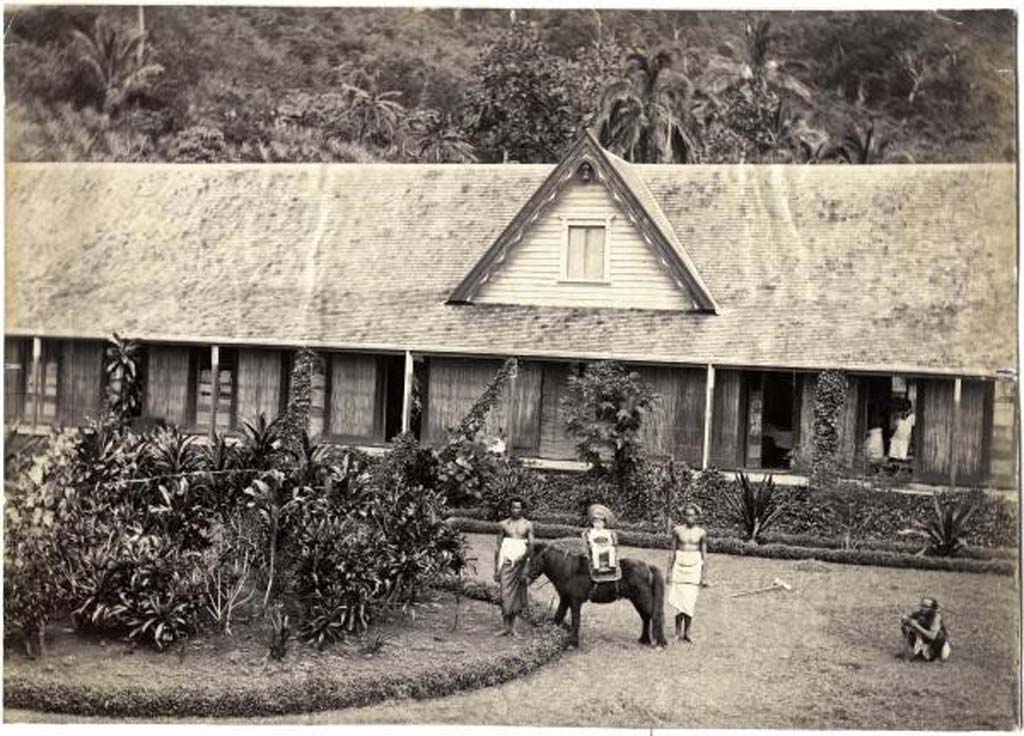
“A small child, possibly the Governor’s son, Jack, seated on a pony with two Fijian attendants in front of Government House in Nasova, Ovalau Island, Fiji”. Source: collected by A. von Hügel, 1875-77, Museum of archaeology and anthropology, P.99680.VH, http://maa.cam.ac.uk/photo-government-house-p-99680-vh/
Government House

Government House was the residence of the British Colonial Governors of Fiji since 1892 and was rebuilt after a lightning strike in 1921. Today it is known as the Presidential Palace.

“Landing of the Southern Cross at Albert Park, 1928”, Source: http://suvacity.org/albert-park /
Albert Park

Albert Park was constructed as a cricket ground in the 1880s on land that once belonged to the indigenous village of Suva. It has since hosted sporting events, national celebrations, visiting dignitaries, and was the site of the first airplane landing in Fiji in 1928.

“Q.V. Memorial Hall, Suva, Fiji”, Unknown, c1904, shortly after completion. Source: Max Quanchi and Max Shekleton, An Ideal Colony and Epitome of Progress: Colonial Fiji in Picture Postcards, forthcoming.
Suva Town Hall

The Town Hall was originally named the Queen Victoria Memorial Hall when it was opened in 1905. Over a century it has hosted many tenants, including the Fiji Museum, an aquarium, a theatre and restaurants.

  • ‹
  • 1
  • 2
  • 3
  • 4
  • 5
  • ›
Attribution-NonCommercial

Website content is licensed under a Creative Commons Attribution 4.0 International License. All material used on this site retains the original Creative Commons Licences and can only be re-used under their respective licences. Note that corporate logos (such as the Fijian History logo) and images used in some collections and branding are specifically excluded from the Creative Commons Attribution Licence, and may not be reproduced under any circumstances without the express written permission of the copyright holders.

Fijian History © 2018 - The University of the South Pacific
About

This project was a collaborative effort by staff and students of The University of the South Pacific to document some of the historic sites of Fiji.

Download App

Download the app from Google Play Store and browse fijian stories even when offline

Get the app on Google Play
Contact
  • Email us